
THE NEW ITALIAN POLICY IN NUCLEAR POWER FOR ELECTRICITY
Italy has adopted an official strategy to reintroduce nuclear energy into its national electricity mix by 2050. Promoted by the current administration, this turnaround aims to overcome the total bans established by the 1987 and 2011 public referendums. The core objectives are to guarantee energy security, lower electricity costs (which are currently among the highest in Europe), and reduce reliance on energy imports.
Key Targets for 2050
- Electricity Mix Share: The updated National Integrated Energy and Climate Plan (PNIEC) projects that nuclear energy will satisfy between 11% and 22% of national electricity demand by 2050.
- Installed Capacity: The government aims to deploy between 8 and 16 Gigawatts (GW) of nuclear capacity.
- Economic Savings: Official ministerial estimates suggest that integrating nuclear power will save the country approximately €17 billion in overall decarbonization costs.
Technological Focus: SMRs and AMRs
Unlike the large-scale traditional power plants of the past, Italy’s new strategy focuses exclusively on next-generation, "sustainable nuclear" technology:
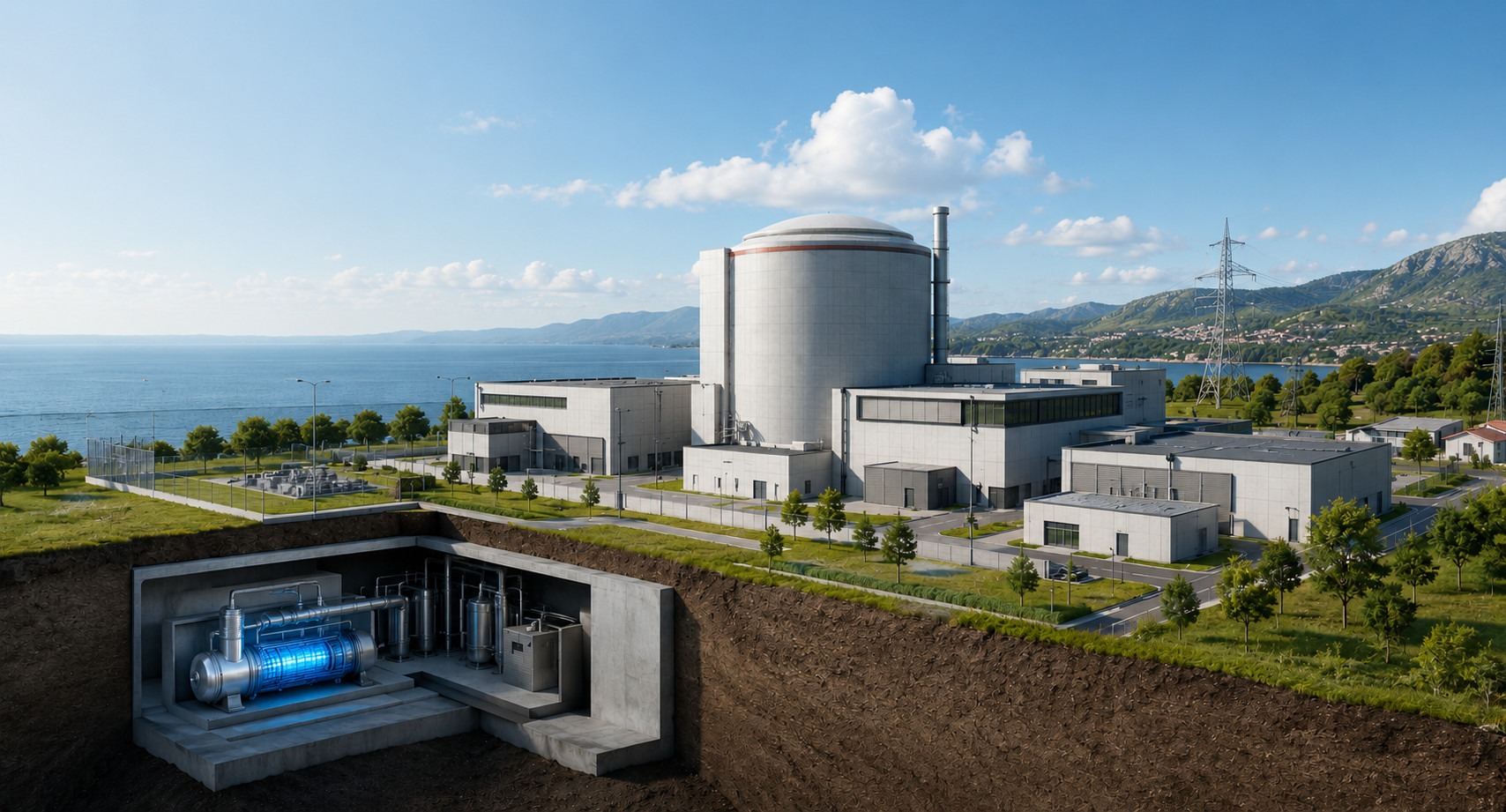
- Small Modular Reactors (SMRs): Compact, factory-built reactors (generating between 10 and 300 MW) designed for faster, more cost-effective deployment.
- Advanced Modular Reactors (AMRs): Long-term investments in Generation IV fission technology and nuclear fusion research.
- Siting Potential: The government is exploring the installation of these modular reactors near existing industrial hubs or on the premises of decommissioned old nuclear sites (such as Caorso).
- Enabling Act (Legge Delega): The Council of Ministers has approved an enabling act that mandates the government to draft the comprehensive legal and regulatory framework required for modern nuclear energy production.
- Safety Authority: The strategy includes establishing a new Independent Nuclear Safety Authority to oversee permitting, operations, and strict compliance with European safety standards.
While Italy has not produced nuclear power domestically for decades, Italian state-backed companies have maintained deep expertise by working on international nuclear projects:
- New State-Backed Entity: The Ministry of Environment and Energy Security is coordinating a corporate alliance involving state-owned giants Enel, Ansaldo Energia, and Leonardo to lead the industrial rollout.
- International Alliances: Italian entities are actively collaborating on reactor technology with foreign partners, notably France's EDF and US-based Westinghouse.